Creeping Twigs: A Thoughtful Background for Personalized Gifts
First Impressions: Quiet Elegance, Not Just Ornament
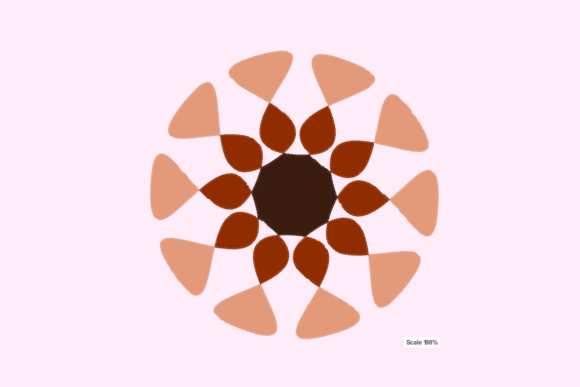
When I opened the Creeping Twigs embroidery file for the first time, I didn’t see “just another background.” I saw a mood—soft, grounded, and gently intentional. This isn’t a busy filler motif. It’s an elegant abstract motif that breathes space while holding presence. The lines curl with organic rhythm, like willow branches tracing air rather than demanding attention. There’s no floral literalism, no seasonal cliché—just refined movement and subtle asymmetry. That makes Creeping Twigs feel simultaneously classic and quietly modern. It reads as handmade, not mass-produced; romantic without being saccharine; delicate without being fragile. For customers seeking meaning over flash—new parents choosing nursery decor, couples curating wedding keepsakes, or gift shop owners building a thoughtful curation—this design lands with emotional resonance.
Where Creeping Twigs Truly Shines in Personalized Gifting
I tested Creeping Twigs across six real-world product categories our shop handles regularly—and it elevated every one:
- Baby embroidery: On organic cotton swaddles and muslin blankets, its gentle flow mirrors the softness of early days. It avoids baby clichés (no bunnies or rattles) while still feeling tender and protective.
- Wedding gifts: As a border on linen pillow covers or monogrammed handkerchiefs, it adds heirloom weight—not fussiness. Paired with muted thread colors, it whispers tradition and intention.
- Nursery decor & embroidered towels: On tea towels and linen napkins, it grounds minimalist kitchens without overwhelming. Its open structure lets fabric texture shine through.
- Pillow covers & tote bags: At medium scale, it balances visual interest with wearability—ideal for Etsy sellers offering custom home goods.
- Aprons & blanket embroidery: When scaled slightly larger, it becomes a quiet signature—elegant enough for bridal showers, warm enough for family kitchens.
- Craft fair products: Because it’s abstract and adaptable, it appeals across age groups and aesthetics—no need to niche down.
Where to Use Creeping Twigs With Intention
This is a background—but not *all* backgrounds behave the same. Here’s where I recommend extra care:
- Avoid pairing it with small lettering or dense text. Its flowing lines thrive in open space. Crowding it with fine script risks visual competition.
- Test carefully on textured fabric. Heavy terry cloth or nubby linen can blur delicate line transitions—confirm stitch definition on scrap first.
- Think twice before using on stretchy baby clothes. While beautiful on knit onesies in theory, the motif’s directional flow may distort unpredictably during wear or washing.
- Curved surfaces (like mugs or curved tote straps) require precise hooping—Creeping Twigs’s continuity benefits from flat, stable tension.
- Dark fabric demands contrast testing. Its elegance relies on tonal nuance—low-contrast thread choices can mute its impact. Always run light/dark mockups.
- Frequent-wash items (like kitchen towels or baby bibs) need durable stabilizer pairing. High stitch density in tight curves could pucker over time if under-stabilized.
How Creeping Twigs Strengthens Your Handmade Product Story
In a crowded digital marketplace, perceived value hinges on cohesion—not just craft, but *intention*. Creeping Twigs elevates a simple towel into a curated object. Customers don’t just buy a personalized gift—they buy quiet confidence in your taste. That translates directly to trust: when someone sees this motif on your Etsy listing or boutique shelf, they sense care in curation, not just execution. For small shop owners and handmade sellers, that distinction builds loyalty. Photographically, it performs beautifully—its negative space invites clean lighting, and its organic shape draws the eye without shouting. Engagement rises because it invites interpretation: “Is it spring? Memory? Growth?” That emotional hook keeps buyers lingering—and clicking “add to cart.”
Practical Embroidery Notes Before You Stitch
As a designer who ships hundreds of custom orders yearly, I treat every new embroidery file like a collaborator—not a plug-in. Here’s my pre-production checklist for Creeping Twigs:
- Always test on scrap fabric matching your final product’s weight and weave—especially for embroidered towel or blanket embroidery projects.
- Confirm thread color contrast across your most common fabric bases (ivory linen, charcoal cotton, oatmeal terry). Muted palettes work beautifully, but only if legible.
- Review hoop size compatibility. Does it fit comfortably in your standard hoops? If scaling is needed, check how line integrity holds at smaller/larger sizes.
- Assess stitch density. Is it balanced—not so sparse it fades, not so dense it stiffens delicate fabrics? This affects drape, comfort, and wash durability.
- Choose stabilizer mindfully. Lightweight cutaway for stable wovens; tear-away for linens; fusible for knits (if using at all).
- Compare light and dark fabric mockups side-by-side—not just digitally, but stitched. What reads as elegant on screen may read as indistinct in person.
- Inspect small details post-stitch. Are the finest twigs fully formed? Do intersections hold clarity? If not, adjust tension or digitizing settings.
- Verify commercial licensing before selling finished products. As a digital embroidery file, its use in physical goods requires clear permission—don’t assume.
Final Thought: Backgrounds That Belong
Not all backgrounds support a story—some just fill space. Creeping Twigs belongs. It’s the kind of machine embroidery design that makes customers pause, trace the line with their eyes, and say, “This feels like *us*.” Whether you’re an Etsy seller launching a nursery collection, a wedding gift designer refining your signature style, or a small shop owner selecting embroidery files for custom order previews—this motif earns its place. It doesn’t shout. It settles in. And in the world of personalized gifts, that quiet confidence is everything.