Chandelier: A Thoughtful Embroidery Review
First Impressions: Fresh, Classical—But Not Fussy
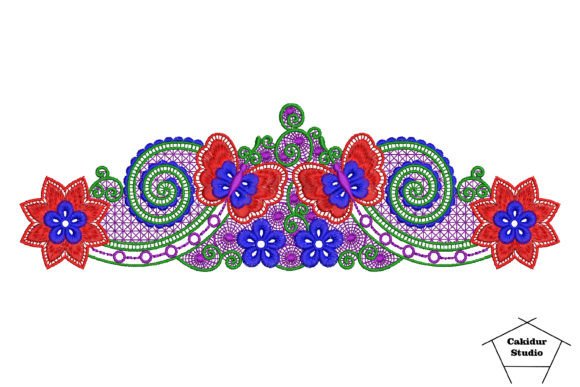
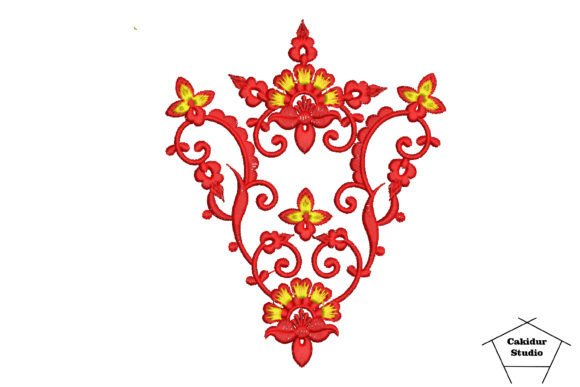
When I opened the Chandelier embroidery file, I didn’t see a literal chandelier—I saw rhythm. Abstract floral shapes arranged with quiet confidence, balanced asymmetry, and just enough negative space to breathe. It’s not ornate in the Victorian sense; it’s classical in the way a well-proportioned serif font feels timeless—not flashy, but unmistakably intentional. The mood is calm sophistication, ideal for customers who want handmade charm without whimsy overload. As a designer who regularly sources embroidery files for boutique apparel and nursery decor, I immediately pictured Chandelier on a linen tea towel, a structured cotton tote, or the chest of a lightweight baby kimono.
Real-World Test: Stitching It on a Linen Pillow Cover
Last week, I used Chandelier for a custom pillow cover order—a neutral oat linen, 14” square, destined for a modern farmhouse living room. I chose a matte cotton thread in soft sage and charcoal for contrast. The result? Crisp, legible detail even at 3.5” wide. The abstract petals held their shape beautifully in satin stitch, while the connecting vines used subtle running stitch that added movement without bulk. No puckering. No thread breaks. That tells me the stitch density is thoughtfully calibrated—not too aggressive for midweight fabric, yet dense enough to read clearly from across the room. It felt like working with a design that *knows* how fabric behaves.
Where Chandelier Shines (and Where It Needs Care)
- Custom apparel: Works exceptionally well on sweatshirts and structured tees—especially over pockets or along hemlines. Avoid center-chest placement on highly stretchy jersey unless you add light cutaway stabilizer underneath.
- Tote bag design & aprons: Perfect scale and visual weight. The abstract florals don’t compete with logos or text—just elevate them. Ideal for craft fair vendors wanting cohesive, elevated branding.
- Baby embroidery & nursery decor: Gentle enough for onesies and crib sheets, but distinctive enough to feel special—not cutesy, not generic. Pair it with muted thread palettes for maximum warmth.
- Embroidered patch: Yes—but only if your patch backing allows for clean edge finishing. The outer contours are graceful, not jagged, so it presses cleanly.
- Holiday embroidery & wedding gifts: Surprisingly versatile. On ivory dupioni silk, it reads as heirloom-ready. On navy denim, it becomes quietly festive. No holiday motifs needed—just thoughtful execution.
What Requires Attention Before You Stitch
Chandelier belongs to the Intricate Cuts category for good reason—it relies on precision. That means small details matter more than usual. Before committing to a client project or Etsy listing, I always:
- Test the design on scrap fabric matching the final garment’s weight and texture;
- Check how it reads in black-and-white mockups—does the flow hold up without color cues?
- Compare thread colors against both light and dark backgrounds (a charcoal version on cream linen reads completely different than on charcoal twill);
- Verify hoop size compatibility—some abstract elements extend slightly beyond compact frames;
- Inspect corners and inner curves under magnification—no skipped stitches, no tiny floating threads;
- Confirm stabilizer choice: medium tear-away for stable wovens, light cutaway for knits or textured weaves like bouclé or burlap;
- Review licensing—since this is a machine embroidery design, confirm whether commercial use (e.g., selling finished embroidered pillows) is permitted before listing on Etsy or your small shop site.
Fabric & Fit: Texture, Scale, and Longevity
Chandelier doesn’t scream for attention—it invites closer looking. That makes it sensitive to fabric texture. On smooth cotton poplin or high-thread-count linen, every petal edge stays sharp. On slubbed or nubby fabrics, some subtlety blurs—so consider simplifying thread count or opting for slightly heavier satin stitch where needed. It also performs best on flat or gently curved surfaces. I wouldn’t recommend it for caps or curved baby booties without digitizing adjustments—the abstract lines rely on consistent tension across the field.
Wash durability? Solid. No excessive fill stitch clusters, no fragile micro-details prone to fraying. That’s critical when designing for baby items or kitchen towels—products that get laundered weekly. As a craft business owner, I value that kind of reliability. It reduces returns, builds trust, and lets me confidently describe the piece as “designed to last.”
Design Assets & Commercial Use: More Than Just Pretty Stitches
As an embroidery product reviewer, I pay close attention to how a design functions as part of a broader creative ecosystem. Chandelier works well as a standalone digital embroidery file, but it also layers elegantly—think monogram + Chandelier vine wrapping the initial, or paired with minimalist typography on a printable mockup for your Etsy banner. Its classical freshness bridges traditional and contemporary aesthetics, making it useful across multiple niches: handmade product sellers, apparel decorators building signature collections, and digital designers sourcing refined design assets.
That said—don’t assume it’s plug-and-play for every context. If you’re using it for holiday embroidery on velvet, test stitch density first. If layering it over applique design elements, check alignment points. And always, always preview how it lands in natural light—not just on screen. What looks balanced digitally can feel top-heavy or sparse once stitched and pressed.
A Final Note for Makers and Sellers
Chandelier isn’t a trend-chasing embroidery file. It’s a considered one. It won’t dominate a busy fabric print—but it will anchor a quiet, confident handmade product. It won’t sell itself with flash, but it will earn repeat customers who recognize quality stitching, intelligent composition, and the kind of subtlety that makes personalized gifts feel deeply personal. Whether you're prepping a batch of embroidered pillow covers for your small shop, curating holiday embroidery for a local boutique, or selecting design assets for your next digital product bundle—Chandelier earns its place by doing less, but doing it with intention.