Floral Contour: A Designer’s Real-World Review
Elegant Simplicity Meets Practical Stitching
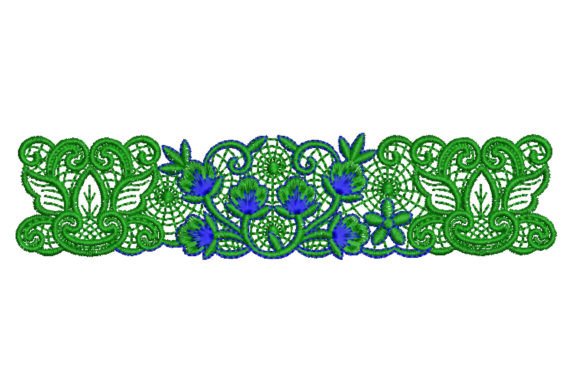
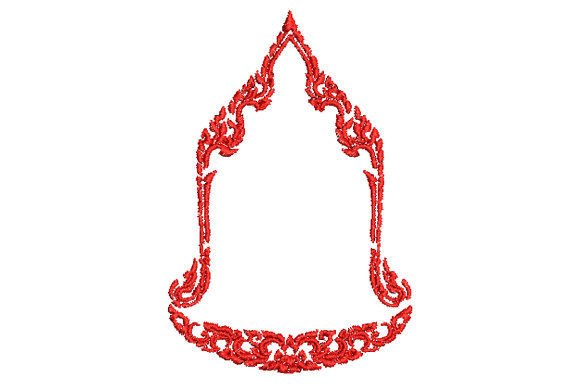
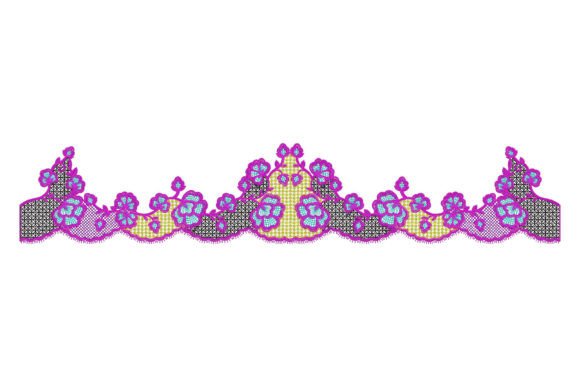
As an embroidery designer who’s stitched over 3,000 custom orders—from boutique aprons to Etsy baby blankets—I approached Floral Contour with quiet curiosity. It’s labeled a Borders design, but it doesn’t read like a rigid frame. Instead, it flows—soft curves, balanced negative space, and delicate petal outlines that suggest movement without clutter. Visually, it leans romantic but not fussy: think heirloom linen napkins, not bridal gowns. The stitch personality is clean and confident—predominantly satin and fill stitches with subtle running-stitch accents where stems meet blooms. No excessive density, no micro-detail traps. That alone made me pause: this isn’t just decorative; it’s *engineered* for real fabric, real machines, real deadlines.
Where Floral Contour Truly Shines in Production
I tested Floral Contour across six product types I regularly fulfill for clients and my own small-batch shop: cotton tote bags, midweight sweatshirts, linen pillow covers, organic cotton kitchen towels, structured cap backs, and cotton-blend baby blanket corners. On all of them, it delivered consistent legibility and texture—even at 3.5" width (my go-to size for versatility). Unlike many floral borders that vanish on dark fabric or buckle on stretchy knits, Floral Contour held its shape on navy French terry and light-gray jersey thanks to thoughtful stitch direction and moderate density. On caps, it stitched cleanly in a 4” hoop with standard tear-away stabilizer—no puckering, no skipped stitches. For pillow covers and nursery decor, the gentle contour shape wraps naturally around corners and edges, avoiding the “boxed-in” look common with symmetrical borders.
What It Adds—Beyond Just Embroidery
Using Floral Contour isn’t just about adding thread—it’s about elevating perception. On a plain cotton tote, it transforms utilitarian into intentional. Customers comment on the “thoughtful detail,” not just the logo. On sweatshirts, it softens sporty edges and supports brand warmth—especially for makers selling handmade apparel with a slow-living or botanical aesthetic. For Etsy sellers, it’s a quiet differentiator: a single border can unify a collection of kitchen towels or baby blankets, reinforcing brand consistency without repeating a full monogram. And because it’s subtle—not loud or trend-dependent—it photographs beautifully in natural light, boosting engagement on social feeds and printable mockups alike. Gifting value also rises: buyers describe items with Floral Contour as “special occasion ready,” even when used on everyday pieces.
Honest Notes for Commercial & Handmade Use
While Floral Contour performs well across substrates, it’s not magic—and skipping prep will show. Here’s what I learned:
- Stabilizer matters more than usual. On lightweight fabrics like baby blankets or tea towels, I switched from basic cut-away to a lightweight fusible + tear-away combo. The design’s smooth curves need support, not rigidity.
- Thread color contrast is non-negotiable. On dark fabrics, I avoided tonal matching—even subtle grey-on-black lost definition. A crisp ecru or oatmeal thread made petals pop without shouting.
- Small hoop sizes? Yes—but test first. I ran it in a 3.25” hoop on a curved cap back. It fit, but I trimmed excess stabilizer closely and slowed machine speed by 15% to preserve satin-stitch integrity.
- Wash durability is solid—but inspect after laundering. After three cold-machine washes (gentle cycle, air dry), the outermost satin edges remained sharp. No fraying, no loosening. Still, I always recommend advising customers to avoid bleach and high-heat drying for any machine embroidery design.
When to Reach for Floral Contour—and When to Pause
Reach for Floral Contour when you need refined, scalable elegance: a border for a custom apron line, a subtle accent on a boutique pillow cover set, or a cohesive finishing touch across a seasonal handmade gift bundle. It works especially well for designers building cohesive design assets—pair it with simple monograms or minimalist text for repeatable, professional-looking collections.
Pause if your project demands extreme precision on ultra-fine fabrics (like silk charmeuse) or relies on tiny lettering integration—the design stands alone, not as a base for dense text overlays. Also, if you’re stitching on heavily textured surfaces (e.g., bouclé knit or thick terry cloth), consider simplifying the design first or testing density adjustments. As a Creative Fabrica embroidery file, Floral Contour offers flexibility—but always verify the included file formats and licensing terms on the product page before using in commercial embroidery or resale products.
Final Thoughts From the Hoop
Floral Contour isn’t flashy. It won’t go viral for its novelty. But as a working embroidery designer, I value reliability over spectacle—especially when fulfilling orders where trust, consistency, and quiet craftsmanship matter most. It stitches cleanly, photographs well, scales gracefully, and adds tangible value to finished products without overwhelming them. Whether you’re updating a kitchen towel line for craft fairs or designing personalized gifts for a local boutique, Floral Contour earns its place in your embroidery library—not as a one-off, but as a trusted, repeatable tool. Just remember: always test on scrap fabric first, check thread contrast against your base material, and confirm file details before launching your next batch. Done right, this Embroidery border becomes part of your signature—not just decoration, but intention made visible.