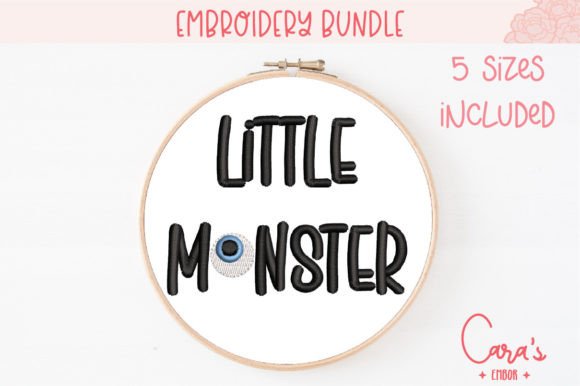
Little Monster Bundle
First Impressions: Playful, Not Precious
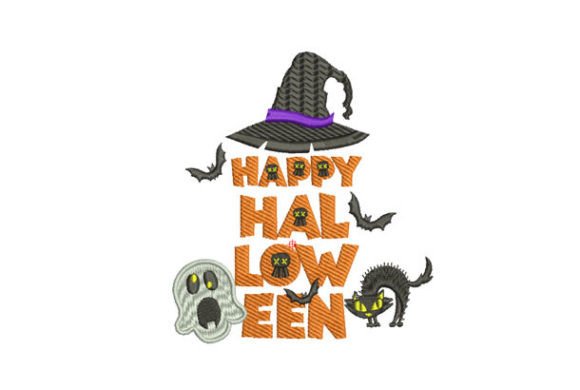
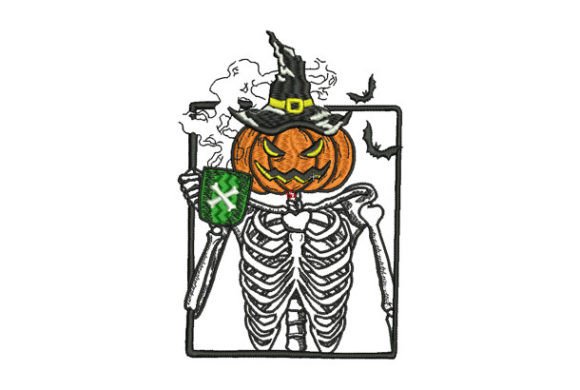
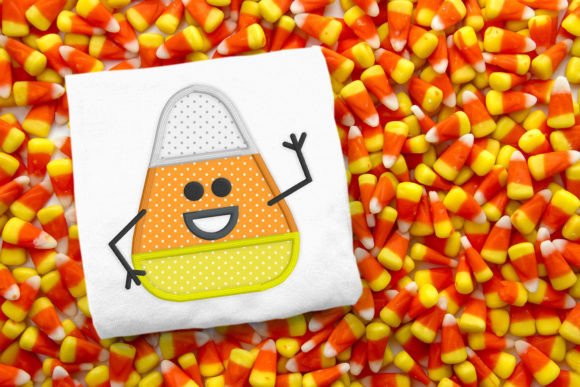
Opening the Little Monster Bundle file feels like unzipping a tiny, slightly mischievous gift bag—no fanfare, just clean outlines and a warm, tongue-in-cheek Halloween energy. These aren’t spooky or scary; they’re squinty-eyed, lopsided, and full of quiet charm. Think stitched-on grins on a baby onesie, not haunted-house signage. The shapes are bold but friendly, with generous negative space and balanced weight distribution—critical when you’re stitching across uneven fabric surfaces. As a designer who’s seen too many “cute” embroidery files collapse into muddy satin-stitch blobs, I appreciated how each monster holds its structure at 3–4 inches wide. No frantic digitizing gymnastics needed.
Real-World Test: A Custom Tote for a Local Bakery’s Halloween Pop-Up
Last week, I used Little Monster Bundle to embroider a set of cotton canvas totes for a neighborhood bakery’s October event. We placed one centered on the front panel—about 3.75 inches tall—and paired it with simple black thread on natural canvas. The result? Instant recognition, zero confusion, and genuine smiles from customers holding their pumpkin-spice loaves. Why did it work? Because the design doesn’t fight the fabric—it *lives* on it. The stitch density is moderate (no swampy fill-stitch puddles), corners are rounded—not sharp—so the needle didn’t hesitate or skip, and the eye detail stayed crisp without needing micro-stabilizer. It looked handmade, yes—but also intentional and polished.
Where It Shines (and Where It Asks for Respect)
- Custom apparel: Works beautifully on sweatshirts and structured tees—especially over seams or pockets where clarity matters. Avoid ultra-thin jersey unless you double up stabilizer and reduce top tension.
- Baby embroidery & nursery decor: Soft edges and gentle scale make it ideal for burp cloths, pillow covers, and crib bumper alternatives. Just steer clear of dense terry cloth—stitch definition blurs there.
- Embroidered patch potential: With minimal editing (none recommended per the product note), it cleans up well as a sew-on or iron-on patch—great for aprons, denim jackets, or craft fair pins.
- Holiday gifts & boutique branding: Stitches cleanly on tea towels and linen napkins. Paired with neutral thread, it reads as seasonal but not dated—perfect for small shop merchandise that sells beyond October.
Fabric & Function: Know When to Pause
Little Monster Bundle isn’t magic—it’s thoughtful digitizing. That means it performs best on stable, medium-weight fabrics: cotton duck, midweight twill, brushed poly-cotton blends, and tightly woven linens. On stretchy knits or textured fleece? It’ll hold up, but only with proper cutaway stabilizer and slower machine speed. Dark fabric works fine—just confirm your thread contrast in a printable mockup first. And while it’s tempting to shrink it down for a cap front or snapback, resist. The facial features and subtle dimension rely on minimum stitch width; going under ~2.5 inches risks losing readability. Curved surfaces like caps or hats need test runs—even slight distortion can flatten those expressive little mouths.
What It Does for Your Craft Business
As an Etsy seller and small shop owner myself, I look for embroidery files that do three things: build trust, save time, and lift perceived value. Little Monster Bundle delivers on all three. Customers recognize quality stitching instinctively—the clean satin-stitch outlines, consistent fill direction, and absence of thread-trimming chaos tell them this wasn’t rushed. That translates directly to better reviews, repeat orders, and willingness to pay a premium for personalized gifts. For craft fairs or local boutiques, it adds instant thematic cohesion without looking mass-produced. And because it avoids over-detail (no tiny fangs or glitter-effect stitches), it scales reliably across product types—from embroidered patches to kitchen towels—keeping your brand voice consistent.
Designer Notes You’ll Actually Use
- Always run a test stitch on scrap fabric matching your final project’s weight and stretch.
- Check thread color contrast on both light and dark backgrounds—black thread on navy isn’t always legible.
- Review stitch density visually in your embroidery software: avoid overlapping fills near eyes or mouths.
- Confirm hoop size compatibility before loading—some monsters sit wider than they are tall.
- Inspect small details at 200% zoom: are stitch angles smooth? Are jump stitches minimized?
- Test a black-and-white printable mockup to gauge silhouette strength—this design relies on shape as much as texture.
- Use tear-away stabilizer for woven fabrics, cutaway for knits or high-wash items like baby clothes.
- Verify licensing terms before selling finished products—especially if listing digitally or bundling with other designs.
Final Thought: A Design That Serves the Maker
Little Monster Bundle doesn’t shout. It doesn’t need to. It’s the kind of embroidery file that disappears into your process—reliable, adaptable, and quietly confident. Whether you’re stitching a one-off personalized gift or producing 50 holiday totes for a local shop, it supports your skill instead of competing with it. It reminds me why I love this craft: not for perfection, but for personality—stitched, shared, and sincerely made. If you’re curating design assets for real projects—not just collecting files—this bundle earns its place in your working library.